
- Davin : +86 133 3569 6939
- Alison : +86 150 8247 5717
- Mia : +86 136 8171 1685
Skip to product information




Direct-fit OEM replacement
bolt-on installation with no welding or cutting, saving time and shop costs.
Advanced catalysis
efficiently reduces CO, HC, and NOx to meet Euro 5/6 emission limits with ease.
Premium core + coating
delivers stable high‑temperature activity and extended service life.
Efficient response
18-24 hours online, 100% response rate from human customer service within 6-8 hours.
SVIPCAT Store
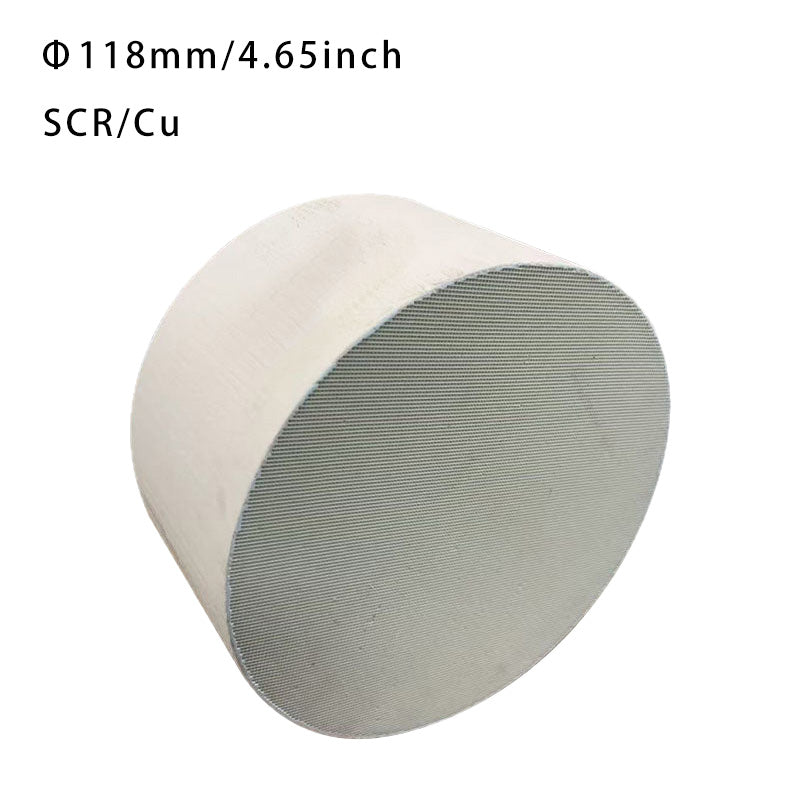
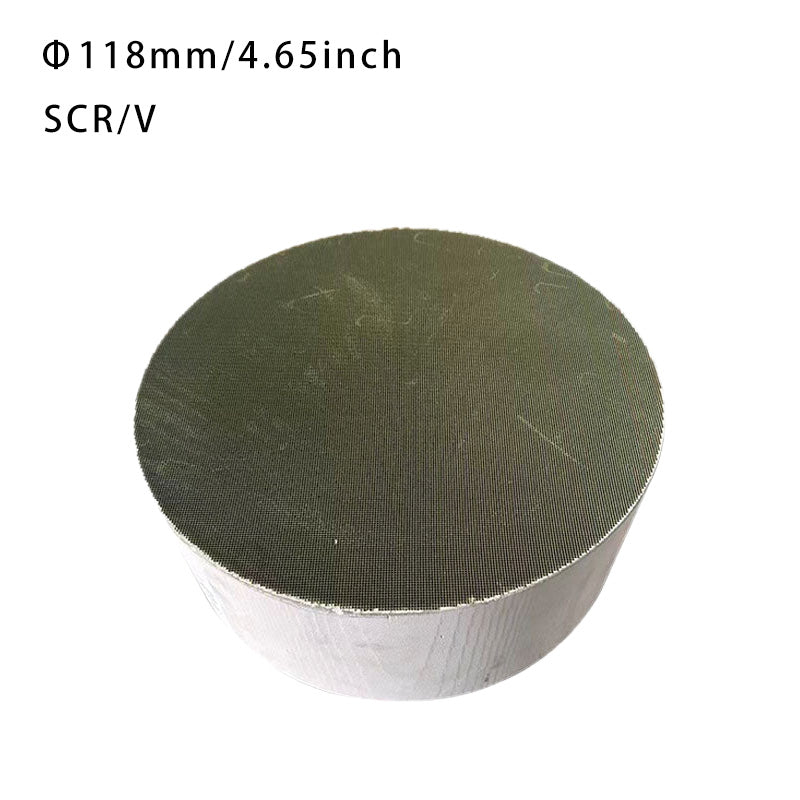
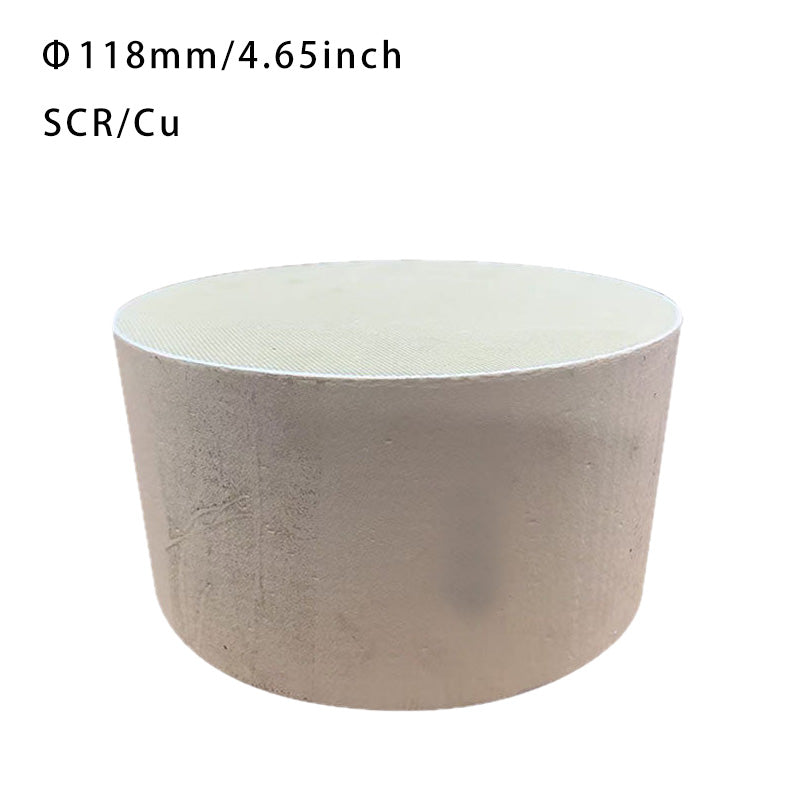
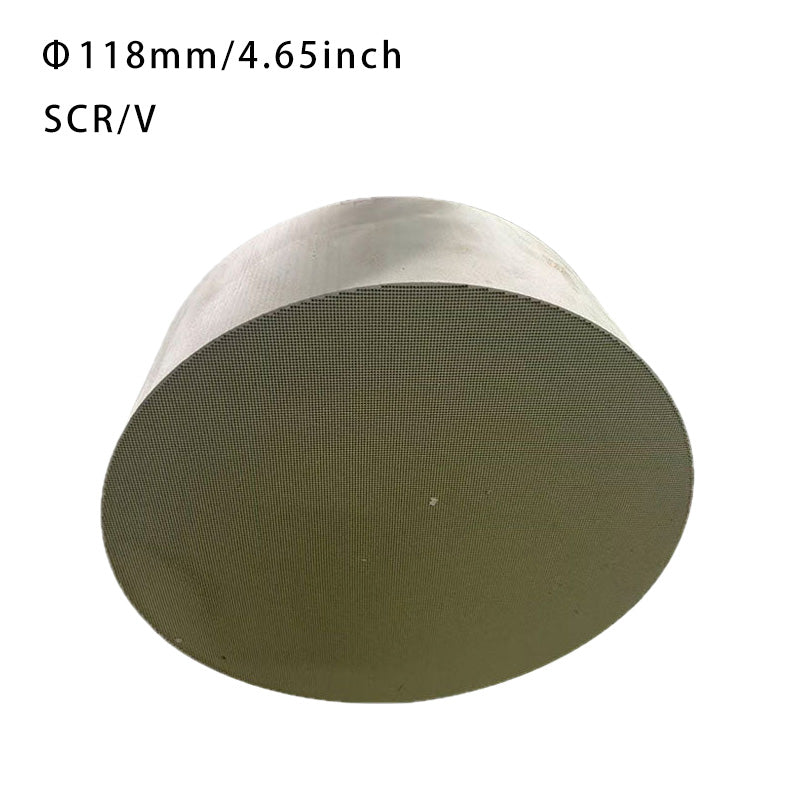
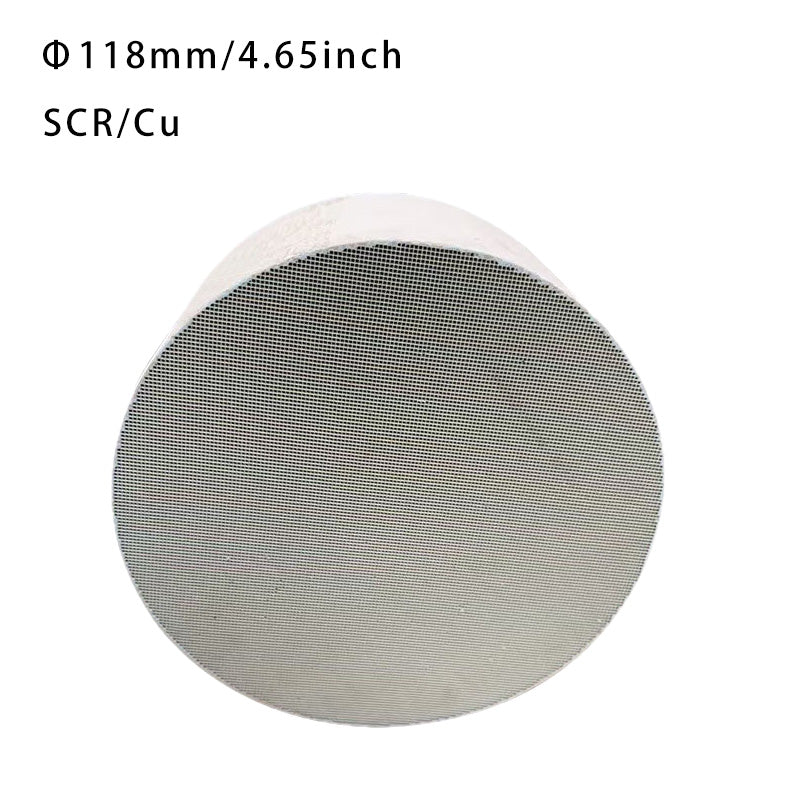
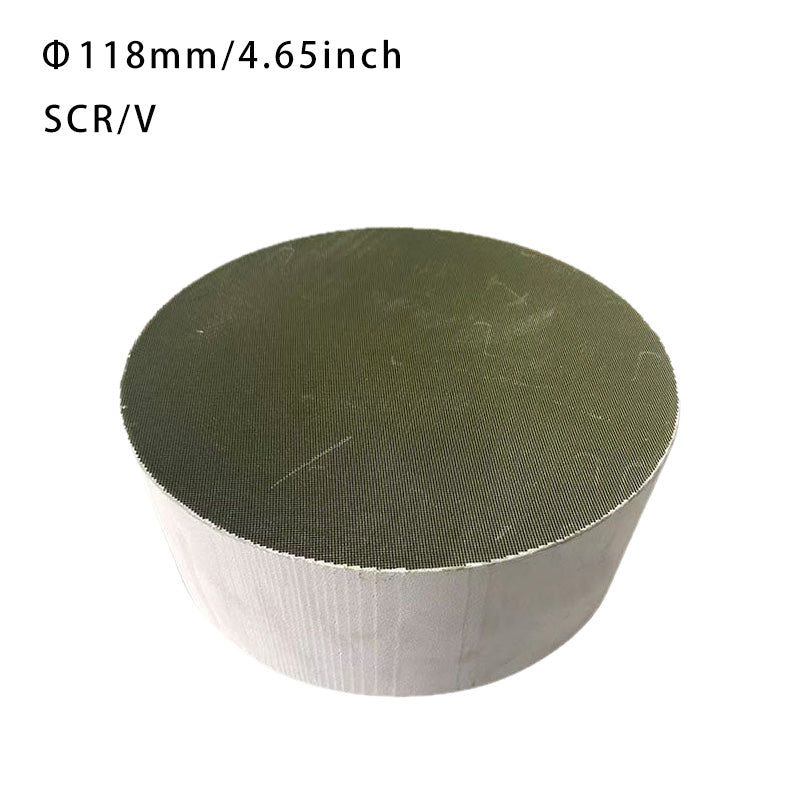
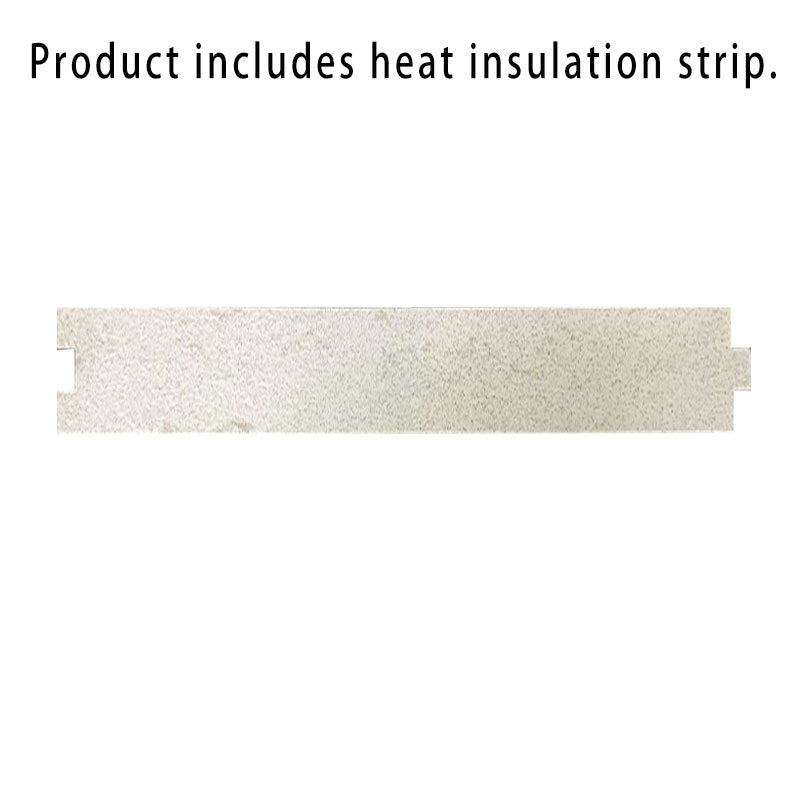
SCR Diesel Catalyst 118mm
Product Description
Click to expandQ1 What is a diesel SCR system?
SCR (Selective Catalytic Reduction) is an advanced exhaust after‑treatment system used in diesel vehicles to reduce nitrogen oxide (NOx) emissions. It works by injecting a urea‑based solution (AdBlue / DEF) into the exhaust stream, which decomposes into ammonia (NH₃). The NH₃ then reacts with NOx over a catalyst to produce harmless nitrogen (N₂) and water (H₂O).
Key components of an SCR system:
- Urea tank – stores the AdBlue/DEF fluid.
- Urea dosing module – injects the precise amount of urea into the exhaust.
- SCR catalyst – the ceramic substrate (coated with vanadium, copper, or iron‑based zeolite) where the chemical reduction takes place.
- NOx sensors – placed upstream and downstream to monitor system performance.
- Temperature sensors – ensure optimal operating conditions.
SCR systems are essential for meeting Euro 4, 5, 6, and beyond emission standards for heavy‑duty and light‑duty diesel engines.
Q2 Difference between vanadium, copper‑zeolite, and iron‑zeolite SCR coatings?
SCR catalysts are classified by the active metal used in the coating. The three main types are vanadium‑based, copper‑zeolite (Cu‑zeolite), and iron‑zeolite (Fe‑zeolite). Each has distinct characteristics:
| Property | Vanadium‑based | Copper‑Zeolite (Cu) | Iron‑Zeolite (Fe) |
|---|---|---|---|
| Active metal | Vanadium pentoxide (V₂O₅) | Copper (Cu) exchanged in zeolite | Iron (Fe) exchanged in zeolite |
| Operating temperature range | 250°C – 450°C | 180°C – 500°C | 250°C – 600°C |
| Low‑temperature activity | Moderate | Excellent (active below 200°C) | Moderate |
| High‑temperature durability | Limited above 450°C | Good up to 650°C | Excellent up to 700°C |
| Sulfur tolerance | Good | Moderate (sulfur‑sensitive) | Good |
| Hydrothermal ageing | Susceptible at high temp | Good durability | Excellent durability |
| Cost | Low | Medium | Medium‑High |
| Typical application | Older Euro 4/5 systems | Euro 6 light‑duty and heavy‑duty | Euro 6 heavy‑duty, high‑load applications |
Selection guide: Cu‑zeolite is preferred for cold‑start and low‑load conditions; Fe‑zeolite is better for high‑temperature, high‑load operation; vanadium is cost‑effective for less demanding applications.
Q3 Working principle of SCR
The SCR system operates through a series of chemical reactions that convert NOx into harmless nitrogen and water. The process can be summarized in the following steps:
- Urea injection: Aqueous urea (AdBlue / DEF) is sprayed into the exhaust stream upstream of the SCR catalyst. The heat of the exhaust causes urea to decompose:
- CO(NH₂)₂ + H₂O → 2 NH₃ + CO₂
- NOx reduction: The released ammonia (NH₃) reacts with NO and NO₂ over the catalyst surface:
- Standard SCR: 4 NO + 4 NH₃ + O₂ → 4 N₂ + 6 H₂O
- Fast SCR: NO + NO₂ + 2 NH₃ → 2 N₂ + 3 H₂O
- Slow SCR: 6 NO₂ + 8 NH₃ → 7 N₂ + 12 H₂O
- Ammonia slip control: An ASC (Ammonia Slip Catalyst) at the outlet oxidises any excess NH₃ that passes through, preventing it from being released into the atmosphere.
The "fast SCR" reaction (NO + NO₂) is the most efficient and occurs readily when the upstream DOC has converted about 50% of NO to NO₂. The system relies on a precise urea dosing strategy based on engine operating conditions and NOx sensor feedback to achieve > 90% conversion efficiency.
Q4 Can the SCR substrate be replaced separately, or does the entire assembly need replacing?
In most modern vehicles, the SCR catalyst is integrated into a welded metal canister and cannot be replaced as a standalone substrate. The entire assembly (including the housing, sensors, and mounting brackets) must be replaced as a unit.
Reasons why separate substrate replacement is not recommended:
- Welded construction: The ceramic substrate is permanently sealed inside the metal can with mounting mats. Cutting it open risks damaging the fragile ceramic and compromising the seal.
- Precision fit: The substrate is precisely sized to the housing; an aftermarket substrate may not fit correctly, leading to exhaust gas bypass and reduced efficiency.
- Sensor calibration: The new assembly includes the correct sensor locations and mounting points; a modified housing may not align properly.
- Warranty and compliance: Replacing only the substrate would void any emissions compliance certification and may trigger OBD fault codes.
Exception: In some heavy‑duty and off‑highway applications, the SCR cartridge is designed to be serviceable and the substrate can be replaced individually. However, this is manufacturer‑specific and requires specialised tools.
For most vehicles, we strongly recommend replacing the complete SCR catalytic converter assembly to ensure proper fit, function, and emissions compliance.
Q5 What damage does low‑quality urea cause to the SCR catalytic converter?
Using low‑quality or non‑compliant urea (AdBlue/DEF) can cause severe and irreversible damage to the SCR system. The main risks include:
- Catalyst poisoning: Impurities such as heavy metals (copper, zinc, chromium) and alkali metals (sodium, potassium) accumulate on the active sites of the SCR catalyst, permanently reducing its NOx conversion efficiency.
- Deposit formation: Low‑quality urea often contains aldehydes and biuret, which form solid deposits (melamine and cyanuric acid) inside the catalyst and on the injector. These deposits clog the channels, increase backpressure, and reduce exhaust flow.
- Injector damage: Impurities in the urea can cause the dosing injector nozzle to block or stick, leading to over‑dosing or under‑dosing of urea, which affects SCR performance and may trigger OBD fault codes.
- Corrosion: Urea with incorrect pH levels can corrode internal components such as the injector, piping, and even the catalyst housing over time.
- Premature ageing: The chemical impurities accelerate the thermal degradation of the catalyst coating, especially under high‑temperature regeneration events.
To avoid these issues, always use urea fluid that meets the ISO 22241 standard (DIN 70070 / AUS 32) and purchase from reputable suppliers. The cost of repairing a poisoned SCR system far exceeds the savings from buying cheap urea.
Q6 What does SCR catalyst poisoning mean? Can it be cleaned and restored?
SCR catalyst poisoning refers to the accumulation of contaminants on the catalyst surface that block the active sites and prevent the chemical reduction reactions from occurring. Common poisons include:
- Sulfur (S): From high‑sulfur diesel fuel, forming sulfates that cover the catalyst surface.
- Phosphorus (P): From engine oil additives, particularly zinc dialkyldithiophosphate (ZDDP), which forms phosphates.
- Alkali metals (Na, K): From certain fuel additives, dust, or contaminated urea.
- Heavy metals (Cu, Zn, Cr): From fuel contamination or engine wear.
- Carbon deposits (soot): Excessive soot accumulation due to poorly regenerated DPF upstream.
Can poisoned SCR catalysts be cleaned and restored?
- Thermal regeneration – occasionally, running the vehicle at high load for an extended period can burn off carbon deposits and some sulfur compounds. However, this only works for light poisoning.
- Chemical washing – some aftermarket services offer SCR flushing with specialised solvents. However, results are inconsistent, and the process risks damaging the fragile ceramic substrate.
- Severe poisoning – when the catalyst has been contaminated with heavy metals or phosphates, the damage is permanent and irreversible. The catalyst coating cannot be restored. The only solution is to replace the SCR assembly.
Recommendation: If the SCR efficiency has dropped below 80% and diagnostic trouble codes (P20xx series) are present, replacement is usually the only reliable fix. Cleaning should only be attempted under professional guidance and with the understanding that it may not be effective.
Q7 What procedures are needed after replacing the SCR catalytic converter?
After installing a new SCR catalytic converter, the following procedures should be carried out to ensure proper operation and OBD compliance:
- Reset the ECU: Use a diagnostic tool (e.g., J2534 or manufacturer‑specific software) to clear any old fault codes and reset the SCR adaptation values. This tells the ECU that a new catalyst has been installed.
- Perform an SCR re‑learn / adaptation: Many vehicles require a "SCR catalyst learn" procedure to calibrate the NOx sensors and urea dosing parameters for the new component. This may involve driving at a steady speed or performing a stationary regeneration.
- Prime the urea dosing system: The urea pump and injector lines need to be primed with fresh AdBlue/DEF to remove any air pockets.
- Check for leaks: Inspect all urea connections and exhaust joints for leaks after installation.
- Test drive: Drive the vehicle under various load conditions (city, highway, uphill) to allow the SCR to reach operating temperature and to complete the OBD monitor readiness cycles.
- Verify with diagnostic tool: After the test drive, re‑scan the system to confirm that the SCR efficiency monitor has passed and that no new fault codes have appeared.
Important: Failure to perform the re‑learn procedure may result in persistent fault codes, reduced NOx conversion, and even failed emissions tests.
Q8 What are the common causes of SCR catalyst blockage?
SCR catalyst blockage (increased backpressure) can occur due to several reasons. The most common causes are:
- Urea deposit formation (crystallisation): When urea is not fully decomposed due to low exhaust temperatures or poor atomisation, it forms solid deposits of melamine and cyanuric acid inside the catalyst channels.
- Soot accumulation: If the upstream DPF is failing or regeneration is incomplete, excessive soot particles pass through and accumulate on the SCR catalyst, blocking the pores.
- Ash buildup: Metallic ash from engine oil additives (especially zinc and calcium) accumulates in the SCR over time, reducing the available surface area and increasing backpressure.
- Poor urea quality: Low‑quality urea contains impurities (biuret, aldehydes) that form solid precipitates at high temperatures.
- Faulty urea injector: A dripping or stuck‑open injector leads to over‑dosing, causing excess urea to crystallise inside the catalyst.
- Leaking turbocharger oil seals: Oil contamination can cause sticky deposits that block the catalyst channels.
Prevention: Use ISO 22241‑compliant urea, maintain the engine and DPF in good condition, and avoid short trips that prevent the SCR from reaching regeneration temperature. Regular inspections of the urea injector and dosing system are also recommended.
Q9 What are the symptoms of a failed SCR catalytic converter?
When an SCR catalytic converter fails or its efficiency drops significantly, the vehicle will typically exhibit one or more of the following symptoms:
- Check Engine Light (MIL) illuminated: The ECU will detect reduced NOx conversion efficiency (e.g., P0420, P20E8, P20EE codes) and turn on the warning light.
- Reduced engine power (Derate): Many vehicles enter a "limp mode" or reduced power mode when SCR faults are detected, limiting vehicle speed and performance to protect the engine and encourage repair.
- Increased fuel consumption: The engine management system may adjust injection timing and air‑fuel ratio to compensate for the loss of SCR efficiency, increasing fuel consumption.
- Excessive white smoke or ammonia smell: Ammonia slip may occur if the SCR cannot convert NH₃ effectively, leading to a pungent odour and visible white smoke from the exhaust.
- Failed emission test: The vehicle will fail mandatory emissions inspections or roadside checks due to excessive NOx output.
- High exhaust backpressure: Blockage causes a noticeable loss of power, reduced turbo response, and increased exhaust gas temperature.
- Active regeneration frequency increase: The DPF may regenerate more often as the ECU tries to compensate for the SCR's poor performance.
If you notice any of these symptoms, we recommend performing a diagnostic scan immediately. Continuing to drive with a failed SCR can lead to damage to other components, including the DPF and turbocharger.
Q10 How can I contact you?
You can reach our team directly via WhatsApp or email. We are happy to assist with any questions about products, sizing, orders, or technical support.
We typically respond within 24 hours (Monday–Saturday). Please include your order number or vehicle details for faster assistance.
Regular price
£5.62 GBP
Taxes included.
Shipping calculated at checkout.
23 in stock
Type :
SCR-400cpsi
Substrate :
V-Euro 5
Size (diameter x height) mm :
118x50mm
Quantity :
Whatsapp
E-mail
- Davin : KSRCAT@proton.me
- Alison:Ksrcatalytic@gmail.com
- Mia : Kesairay@proton.me
SCR Diesel Catalyst 118mm
Regular price
£5.62 GBP

