
- Davin : +86 133 3569 6939
- Alison : +86 150 8247 5717
- Mia : +86 136 8171 1685
Skip to product information




Direct-fit OEM replacement
bolt-on installation with no welding or cutting, saving time and shop costs.
Advanced catalysis
efficiently reduces CO, HC, and NOx to meet Euro 5/6 emission limits with ease.
Premium core + coating
delivers stable high‑temperature activity and extended service life.
Efficient response
18-24 hours online, 100% response rate from human customer service within 6-8 hours.
SVIPCAT Store
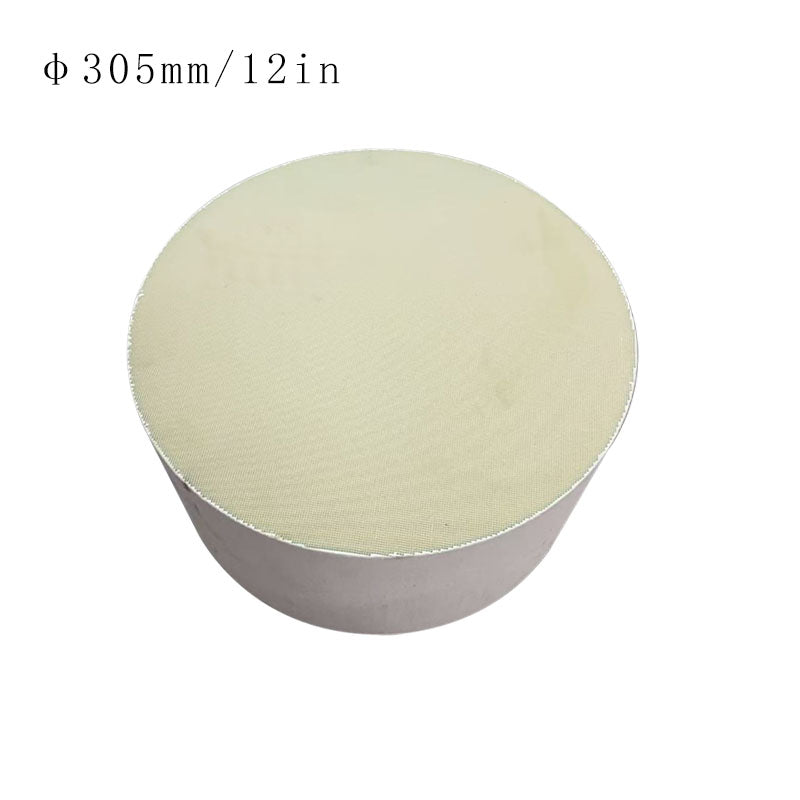
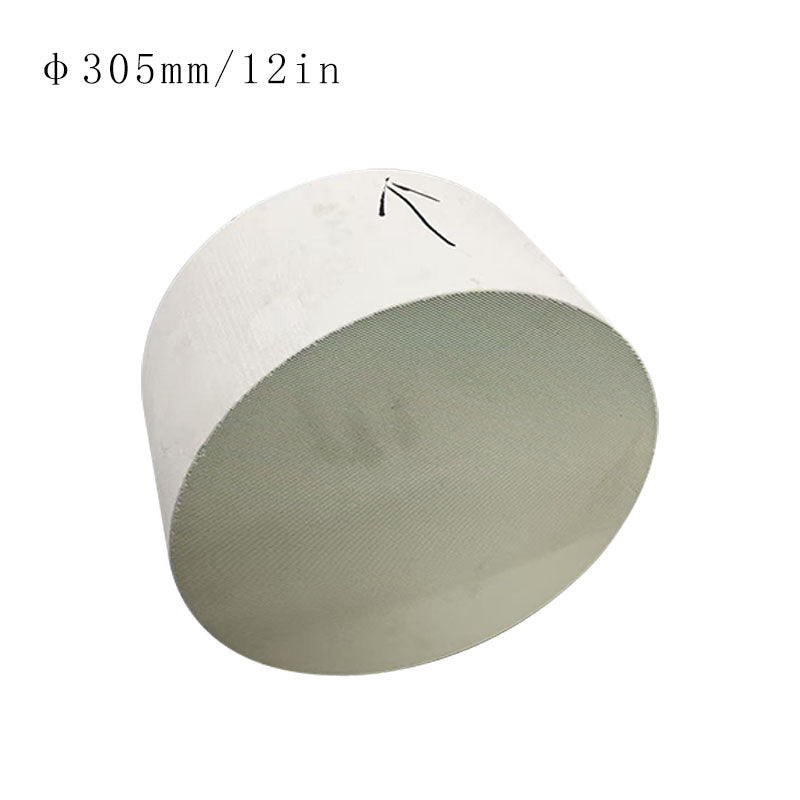
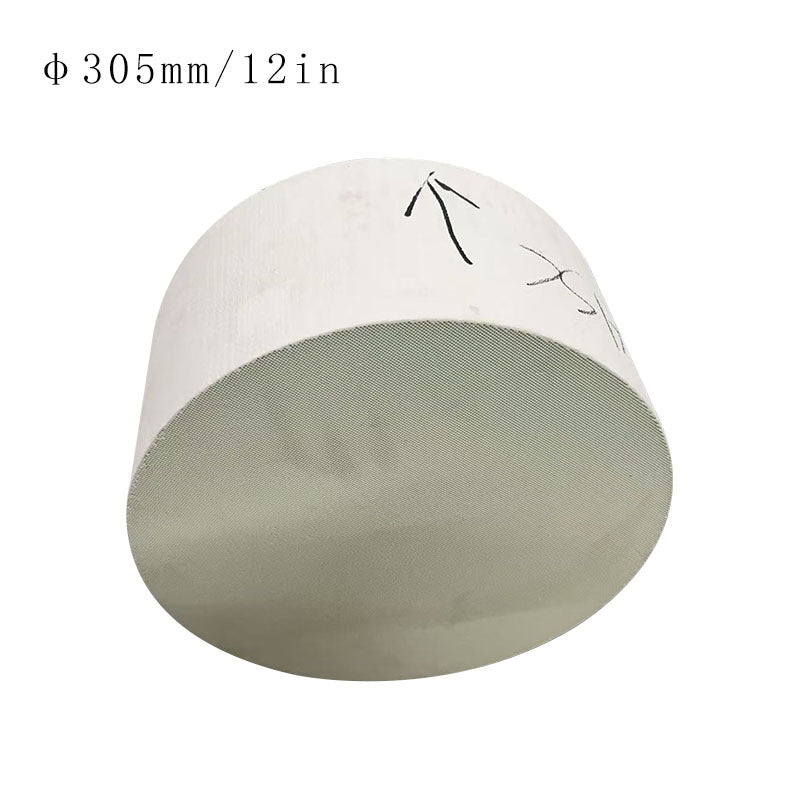
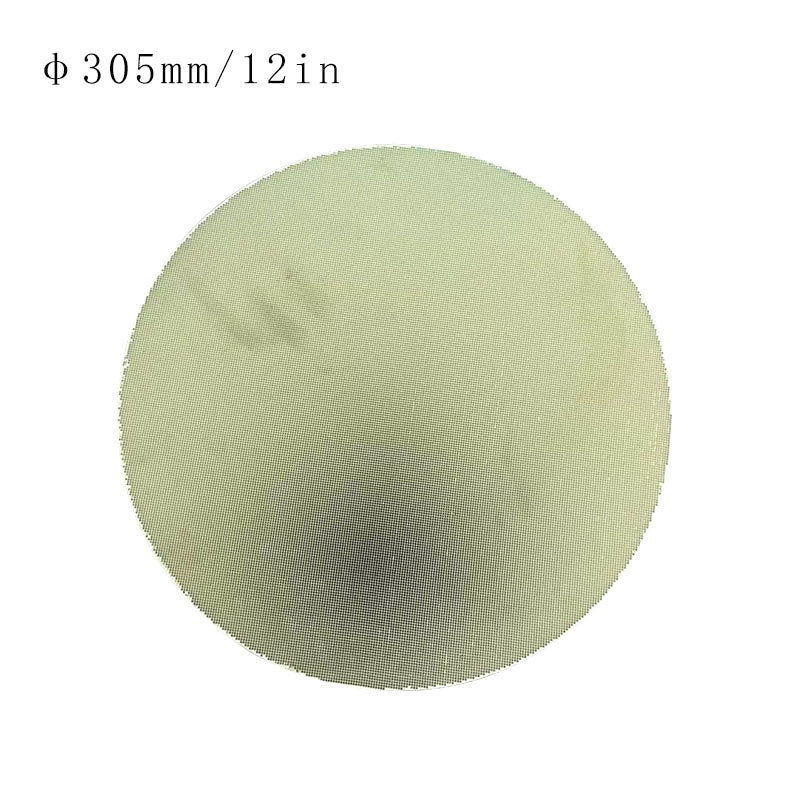
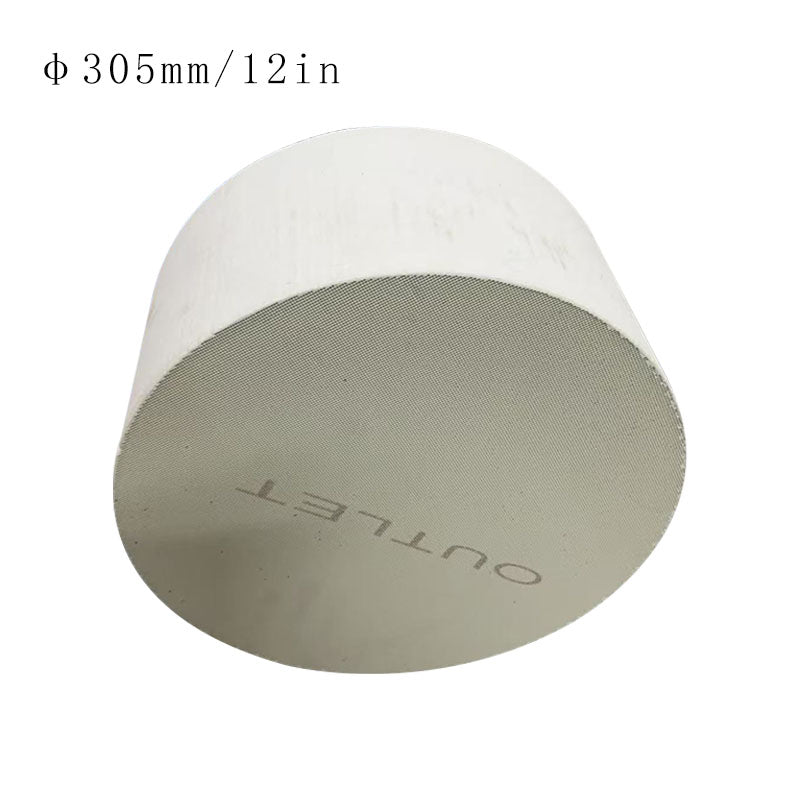
φ305mm/12in Diesel vehicle SCR/ASC filter
Product Description
Click to expandQ1 What is a diesel SCR/ASC system?
SCR (Selective Catalytic Reduction) is an exhaust after‑treatment system that reduces nitrogen oxide (NOx) emissions by injecting urea (AdBlue/DEF) into the exhaust stream, which decomposes into ammonia (NH₃) and reacts with NOx over a catalyst to produce harmless nitrogen (N₂) and water (H₂O).
ASC (Ammonia Slip Catalyst) is a secondary catalyst installed downstream of the SCR. Its sole purpose is to oxidise any excess ammonia that passes through the SCR, preventing it from being released into the atmosphere.
Together, the SCR + ASC system:
- Reduces NOx emissions by over 95%
- Eliminates ammonia slip, ensuring no pungent smell or environmental damage
- Meets Euro 6d and EPA emission standards
The ASC is typically a 2‑inch coated substrate containing precious metals (platinum, palladium) that selectively oxidise NH₃ to N₂ and H₂O.
Q2 Difference between vanadium, copper‑zeolite, and iron‑zeolite SCR/ASC coatings?
SCR catalysts are classified by the active metal used in the coating. The three main types are vanadium‑based, copper‑zeolite (Cu‑zeolite), and iron‑zeolite (Fe‑zeolite). Each has distinct characteristics:
| Property | Vanadium‑based | Copper‑Zeolite (Cu) | Iron‑Zeolite (Fe) |
|---|---|---|---|
| Active metal | Vanadium pentoxide (V₂O₅) | Copper (Cu) exchanged in zeolite | Iron (Fe) exchanged in zeolite |
| Operating temperature range | 250°C – 450°C | 180°C – 500°C | 250°C – 600°C |
| Low‑temperature activity | Moderate | Excellent (active below 200°C) | Moderate |
| High‑temperature durability | Limited above 450°C | Good up to 650°C | Excellent up to 700°C |
| Sulfur tolerance | Good | Moderate (sulfur‑sensitive) | Good |
| Hydrothermal ageing | Susceptible at high temp | Good durability | Excellent durability |
| Cost | Low | Medium | Medium‑High |
| Typical application | Older Euro 4/5 systems | Euro 6 light‑duty and heavy‑duty | Euro 6 heavy‑duty, high‑load applications |
For ASC coatings, platinum (Pt) or palladium (Pd) is typically used to oxidise NH₃, with formulations optimised for high selectivity toward N₂ rather than N₂O.
Q3 Working principle of SCR/ASC
The SCR/ASC system operates through two sequential stages:
Stage 1 – SCR (NOx reduction):
- Urea (AdBlue/DEF) is injected upstream of the SCR catalyst.
- Exhaust heat decomposes urea into ammonia (NH₃) and CO₂: CO(NH₂)₂ + H₂O → 2 NH₃ + CO₂
- NH₃ reacts with NOx (NO + NO₂) over the SCR catalyst (Cu‑zeolite, Fe‑zeolite, or vanadium):
- Standard SCR: 4 NO + 4 NH₃ + O₂ → 4 N₂ + 6 H₂O
- Fast SCR: NO + NO₂ + 2 NH₃ → 2 N₂ + 3 H₂O
- This achieves up to 95‑98% NOx conversion under optimal conditions.
Stage 2 – ASC (Ammonia slip control):
- Any NH₃ that passes through the SCR unreacted enters the downstream ASC.
- The ASC (coated with Pt/Pd) selectively oxidises NH₃:
- Desired reaction: 4 NH₃ + 3 O₂ → 2 N₂ + 6 H₂O
- Avoided reaction: 2 NH₃ + 2 O₂ → N₂O + 3 H₂O (produces greenhouse gas)
- High‑quality ASC ensures that > 90% of slip NH₃ is converted to N₂, eliminating odour and meeting emission limits.
NOx sensors before and after the SCR, and NH₃ sensors (or virtual sensing) after the ASC, enable closed‑loop control of urea dosing.
Q4 What is the cell density (CPSI) of this product?
Our SCR catalyst features a cell density of 400 CPSI (cells per square inch).
Why 400 CPSI is optimal:
- Balanced flow and efficiency: Provides a high geometric surface area for catalytic reactions while maintaining low exhaust backpressure.
- Durability: Thick enough cell walls to withstand thermal cycling and mechanical stress, yet thin enough for efficient gas diffusion.
- Coating retention: Ensures the SCR washcoat (Cu‑zeolite) adheres well and remains stable under high‑temperature operation.
- Industry standard: 400 CPSI is the most common specification for heavy‑duty and light‑duty SCR applications.
If you require a different cell density for a specific application, please contact our technical team for custom solutions.
Q5 Can I place bulk orders?
Yes, we support bulk purchasing.
We welcome both small‑volume and large‑volume orders. Our production capacity is scalable to meet your demand, whether you are a workshop, a fleet operator, or a distributor.
For bulk orders, we offer:
- Competitive volume pricing
- Flexible lead times
- Consistent quality across batches
- Custom packaging options
Please contact our customer service team with your required quantity, product specifications, and delivery timeline. We will provide you with a tailored quotation and production schedule.
Q6 What are the specific pain points of ASC (Ammonia Slip Catalyst)?
The ASC is installed downstream of the SCR. Its core function is to decompose excess ammonia that escapes from the SCR. When the ASC fails or degrades, the following issues arise:
-
1. Pungent ammonia smell from the exhaust:
Excessive urea injection, SCR ageing, or reduced SCR conversion efficiency allows NH₃ to pass through. A failed ASC can no longer oxidise this ammonia, resulting in a strong ammonia odour that leads to complaints from freight forwarders, drivers, and surrounding communities. -
2. Secondary pollution and emission test failure:
A degraded ASC cannot effectively oxidise slip NH₃, causing exhaust ammonia content to exceed legal limits during annual inspections. Under certain conditions, the failed ASC may also generate N₂O (a potent greenhouse gas), making it impossible to meet Euro 6d or EPA emission requirements. -
3. SCR is fine, but ASC ageing triggers after‑treatment faults:
A common repair mistake is replacing only the SCR without replacing the ASC. After installing a new SCR, the ammonia smell persists, and the fault light cannot be cleared because the aged ASC is still unable to handle the slip. -
4. ASC blockage, thermal ageing, and poisoning – a chain reaction:
Ammonia reacts with sulfur oxides to form sulfate deposits that block the ASC substrate. Prolonged high‑temperature operation causes precious metal sintering (loss of active surface area). Oil vapour contamination also leads to rapid loss of ASC decomposition capability. -
5. Imbalance in the entire after‑treatment system:
Replacing the SCR with a non‑matched unit creates a urea dosing strategy mismatch. This exacerbates ammonia slip and quickly consumes the remaining ASC life, leading to premature system failure.
Q7 How to prevent SCR/ASC catalyst poisoning?
Catalyst poisoning is one of the leading causes of SCR/ASC failure. To minimise the risk and extend system life, follow these guidelines:
- Use high‑quality diesel fuel: Always use low‑sulfur diesel (EN 590 standard, sulfur < 10 ppm). High‑sulfur fuel produces sulfates that poison both SCR and ASC catalysts.
- Use ISO 22241‑compliant urea (AdBlue/DEF): Never use cheap or non‑certified urea. Impurities such as aldehydes, biuret, heavy metals, and alkali metals accumulate on the catalyst surface, permanently reducing activity.
- Maintain the engine properly: Fix misfires, injector leaks, and excessive oil consumption immediately. Oil ash (phosphorus, zinc) and unburned fuel cause deposits on the catalyst.
- Avoid overheating: Ensure the DPF regeneration process does not cause uncontrolled temperature spikes above 650°C. Sustained high temperatures cause thermal sintering of precious metals.
- Replace ASC when replacing SCR: If the SCR is being replaced due to failure or ageing, always replace the ASC as well. A degraded ASC will be overwhelmed by the slip from a new SCR with different dosing characteristics.
- Regular diagnostic checks: Use an OBD scanner to monitor SCR efficiency, NH₃ slip, and backpressure. Early detection of efficiency loss allows for intervention before permanent damage occurs.
Q8 What are the common causes of SCR/ASC catalyst blockage?
SCR/ASC catalyst blockage (increased backpressure) can occur due to several reasons. The most common causes are:
- Urea deposit formation (crystallisation): When urea is not fully decomposed due to low exhaust temperatures or poor atomisation, it forms solid deposits (melamine and cyanuric acid) inside the catalyst channels.
- Soot accumulation: If the upstream DPF is failing or regeneration is incomplete, excessive soot particles pass through and accumulate on the SCR/ASC, blocking the pores.
- Sulfate deposits: Sulfur from high‑sulfur diesel reacts with ammonia to form ammonium sulfate and ammonium bisulfate, which condense and block the substrate.
- Ash buildup: Metallic ash from engine oil additives (especially zinc, calcium, and phosphorus) accumulates in the SCR/ASC over time, reducing available surface area.
- Poor urea quality: Low‑quality urea contains impurities (biuret, aldehydes) that form solid precipitates at high temperatures.
- Faulty urea injector: A dripping or stuck‑open injector leads to over‑dosing, causing excess urea to crystallise inside the catalyst.
- Leaking turbocharger oil seals: Oil contamination can cause sticky deposits that block the catalyst channels.
Prevention: Use ISO 22241‑compliant urea, maintain low‑sulfur diesel, keep the engine and DPF in good condition, and avoid short trips that prevent the SCR from reaching operating temperature.
Q9 Where are you located?
Our company headquarters is located at:
Building C, Zhongguan Innovation Center, Dongcheng 2nd Road, Pujiang Town, Minhang District, Shanghai, China
We welcome business visits by appointment. Please contact us in advance to arrange a suitable time.
For international customers, we offer global shipping and can arrange sample delivery for product evaluation prior to bulk orders.
Q10 How can I contact you?
You can reach our team directly via WhatsApp or email. We are happy to assist with any questions about products, sizing, orders, compatibility, or technical support.
We typically respond within 24 hours (Monday–Saturday). Please include your order number or vehicle details for faster assistance.
Regular price
£98.77 GBP
Taxes included.
Shipping calculated at checkout.
34 in stock
Size (diameter x height) :
305x76mm
Material :
V - Euro5
Standard :
SCR+ASC(2in)coating
Quantity :
Whatsapp
E-mail
- Davin : KSRCAT@proton.me
- Alison:Ksrcatalytic@gmail.com
- Mia : Kesairay@proton.me
φ305mm/12in Diesel vehicle SCR/ASC filter
Regular price
£98.77 GBP

