
Discover pieces that feel as good as they look—supportive seating, soft textures, and timeless silhouettes designed to bring effortless comfort and refined style to every room.
Skip to product information




Armrests
Supportive comfort for arms
Headrest
Adjustable comfort for posture
Height Adjustable
Easily adjustable sitting position
Backrest recline
Customizable reclining backrest
SVIPCAT
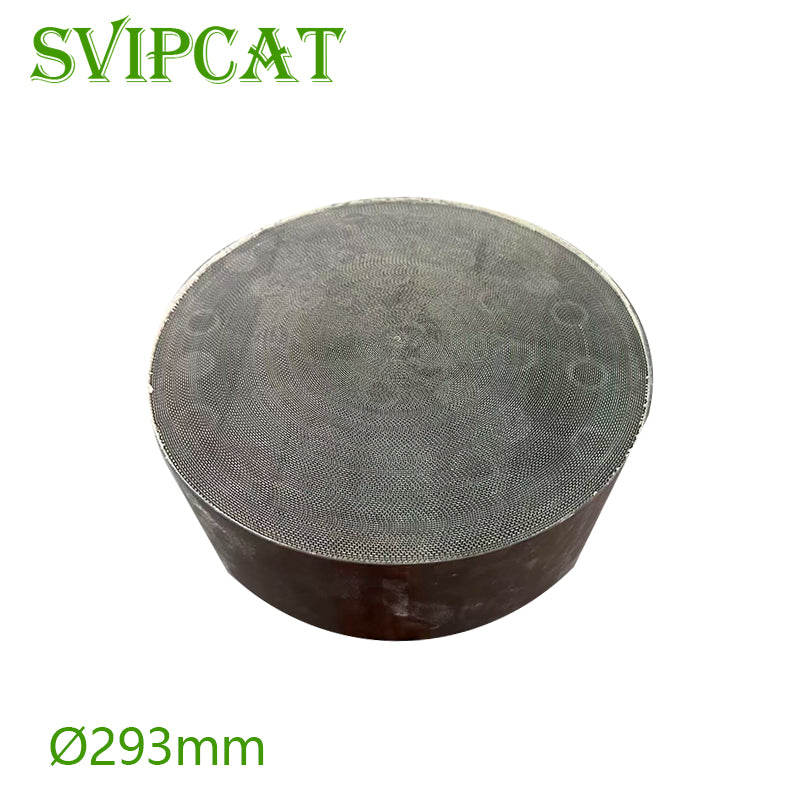
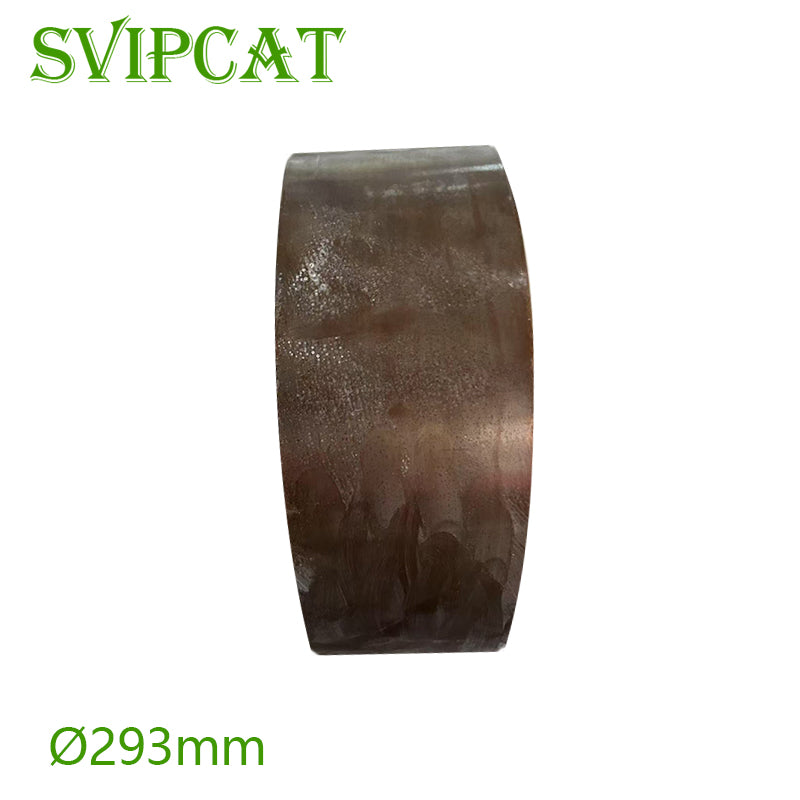
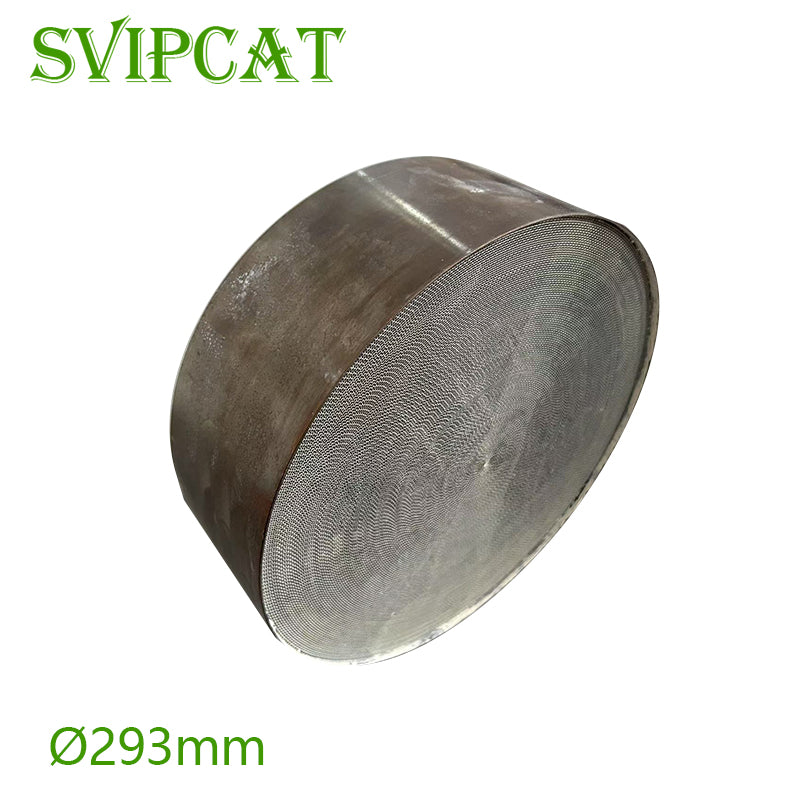
DOC Metal Catalyst for Diesel Engines - High Efficiency Exhaust Treatment DOC Catalytic Converter
Name Analysis
Metal DOC:
Metal: refers to the carrier material of the catalyst as metal (such as honeycomb metal substrate), which is different from the traditional ceramic carrier (such as cordierite).
DOC: Diesel Oxidation Catalyst, which reduces harmful pollutants in exhaust gas through oxidation reaction.
Characteristics
Material characteristics:
Metal substrate: usually adopts high temperature resistant alloy (such as iron chromium aluminum fiber), with high mechanical strength and impact resistance.
Coating: The surface is coated with active catalytic materials (such as platinum, palladium and other precious metals) to promote oxidation reaction.
Structural characteristics:
High porosity design: The metal carrier can be made into a thinner wall and denser honeycomb structure to reduce back pressure.
Quick ignition: Metal has good thermal conductivity and can quickly reach the temperature required for catalytic reaction.
Environmental adaptability:
High temperature resistance (up to 1000°C or more), better thermal shock resistance than ceramic carrier.
Functions
Core functions: Convert harmful components in exhaust gas through catalytic oxidation reactions:
Hydrocarbons (HC) → Oxidized to H₂O and CO₂.
Carbon monoxide (CO) → Oxidized to CO₂.
Particulate matter (PM): Some soluble organic matter (SOF) is oxidized to reduce PM emissions.
NO: A small amount of NO is oxidized to NO₂ (to provide support for subsequent SCR or DPF regeneration).
Auxiliary functions:
Provide NO₂ to DPF (diesel particulate filter) to promote passive regeneration (NO₂ oxidizes soot particles).
Reduce exhaust odor (oxidized sulfides, etc.).
Advantages
Performance advantages:
High efficiency and low temperature activity: Metal has fast thermal conductivity and ignites faster during cold start (especially in short-distance driving in cities).
Low back pressure: The flow channel design of the metal carrier is more flexible, reducing engine power loss.
Long life: Resistant to mechanical vibration and thermal shock, suitable for harsh working conditions (such as construction machinery and commercial vehicles).
Application advantages:
Compact design: The metal carrier can be made into a special-shaped structure to adapt to vehicles with limited space.
Strong compatibility: It can be integrated with post-treatment systems such as SCR and DPF.
Maintenance advantages:
Not easy to break, strong resistance to sulfur poisoning (depending on the catalyst formula).
Regular price
£356.00 GBP
Taxes included.
Shipping calculated at checkout.
29 in stock
Size (diameter x height) mm :
293x100mm
Standard :
20g/cft.Pt
Quantity :
Comfort Meets Design
Small Space, Big Style
Discover space-savvy pieces—slim seating, nesting tables, wall shelving, and multifunctional storage—that open up your layout while adding warmth, texture, and modern character to every corner.
DOC Metal Catalyst for Diesel Engines - High Efficiency Exhaust Treatment DOC Catalytic Converter
Regular price
£356.00 GBP
Product Detail & Specifications
Create a home that feels effortless yet intentional. From sculptural lighting to refined storage and cozy textiles, our curated pieces balance
form and function—so your rooms look beautiful, live comfortably, and age gracefully with your style.

Find Your Perfect Match
We've handpicked our top models so you can compare features and pick the one that fits your lifestyle best.
|
Products
|
|
|---|---|
|
Vendor
|
SVIPCAT
|
|
Type
|
Diesel Oxidation Catalyst
|
|
Product title
|
DOC Metal Catalyst for Diesel Engines - High Efficiency Exhaust Treatment DOC Catalytic Converter
|
|
Description
|
Name AnalysisMetal DOC:Metal: refers to the carrier material of the catalyst as metal (such as honeycomb metal substrate), which is different from the traditional ceramic carrier (such as cordierite).DOC: Diesel Oxidation Catalyst, which reduces harmful pollutants in exhaust gas through oxidation reaction.
CharacteristicsMaterial characteristics:Metal substrate: usually adopts high temperature resistant alloy (such as iron chromium aluminum fiber), with high mechanical strength and impact resistance.Coating: The surface is coated with active catalytic materials (such as platinum, palladium and other precious metals) to promote oxidation reaction.Structural characteristics:High porosity design: The metal carrier can be made into a thinner wall and denser honeycomb structure to reduce back pressure.Quick ignition: Metal has good thermal conductivity and can quickly reach the temperature required for catalytic reaction.Environmental adaptability:High temperature resistance (up to 1000°C or more), better thermal shock resistance than ceramic carrier.
FunctionsCore functions: Convert harmful components in exhaust gas through catalytic oxidation reactions:Hydrocarbons (HC) → Oxidized to H₂O and CO₂.Carbon monoxide (CO) → Oxidized to CO₂.Particulate matter (PM): Some soluble organic matter (SOF) is oxidized to reduce PM emissions.NO: A small amount of NO is oxidized to NO₂ (to provide support for subsequent SCR or DPF regeneration).Auxiliary functions:Provide NO₂ to DPF (diesel particulate filter) to promote passive regeneration (NO₂ oxidizes soot particles).Reduce exhaust odor (oxidized sulfides, etc.).
AdvantagesPerformance advantages:High efficiency and low temperature activity: Metal has fast thermal conductivity and ignites faster during cold start (especially in short-distance driving in cities).Low back pressure: The flow channel design of the metal carrier is more flexible, reducing engine power loss.Long life: Resistant to mechanical vibration and thermal shock, suitable for harsh working conditions (such as construction machinery and commercial vehicles).
Application advantages:Compact design: The metal carrier can be made into a special-shaped structure to adapt to vehicles with limited space.Strong compatibility: It can be integrated with post-treatment systems such as SCR and DPF.Maintenance advantages:Not easy to break, strong resistance to sulfur poisoning (depending on the catalyst formula).
|
|
Price
|
Regular price
£356.00 GBP
|
|
Product variants
|
Size (diameter x height) mm :
293x100mm
Standard :
20g/cft.Pt
|
|
Weight
|
8.5 kg
|